1. Rectitude or Justice
“Rectitude is the power of deciding upon a certain course of conduct in accordance with reason, without wavering;—to die when it is right to die, to strike when to strike is right.”
2. Courage, the Spirit of Daring and Bearing
“Courage is doing what is right.”
3. Benevolence, the Feeling of Distress
“We knew Benevolence was a tender virtue and mother-like.”
4. Politeness
“Politeness is a poor virtue, if it is actuated only by a fear of offending good taste, whereas it should be the outward manifestation of a sympathetic regard for the feelings of others.”
5. Veracity or Truthfulness
“Bushi no ichi-gon—the word of a samurai […]—was sufficient guaranty of the truthfulness of an assertion.”
6. Honor
“The sense of honor, implying a vivid consciousness of personal dignity and worth, could not fail to characterize the samurai, born and bred to value the duties and privileges of their profession.”
7. The Duty of Loyalty
“…it is only in the code of chivalrous honor that Loyalty assumes paramount importance.”
8. Self-Control
“Calmness of behavior, composure of mind, should not be disturbed by passion of any kind.”
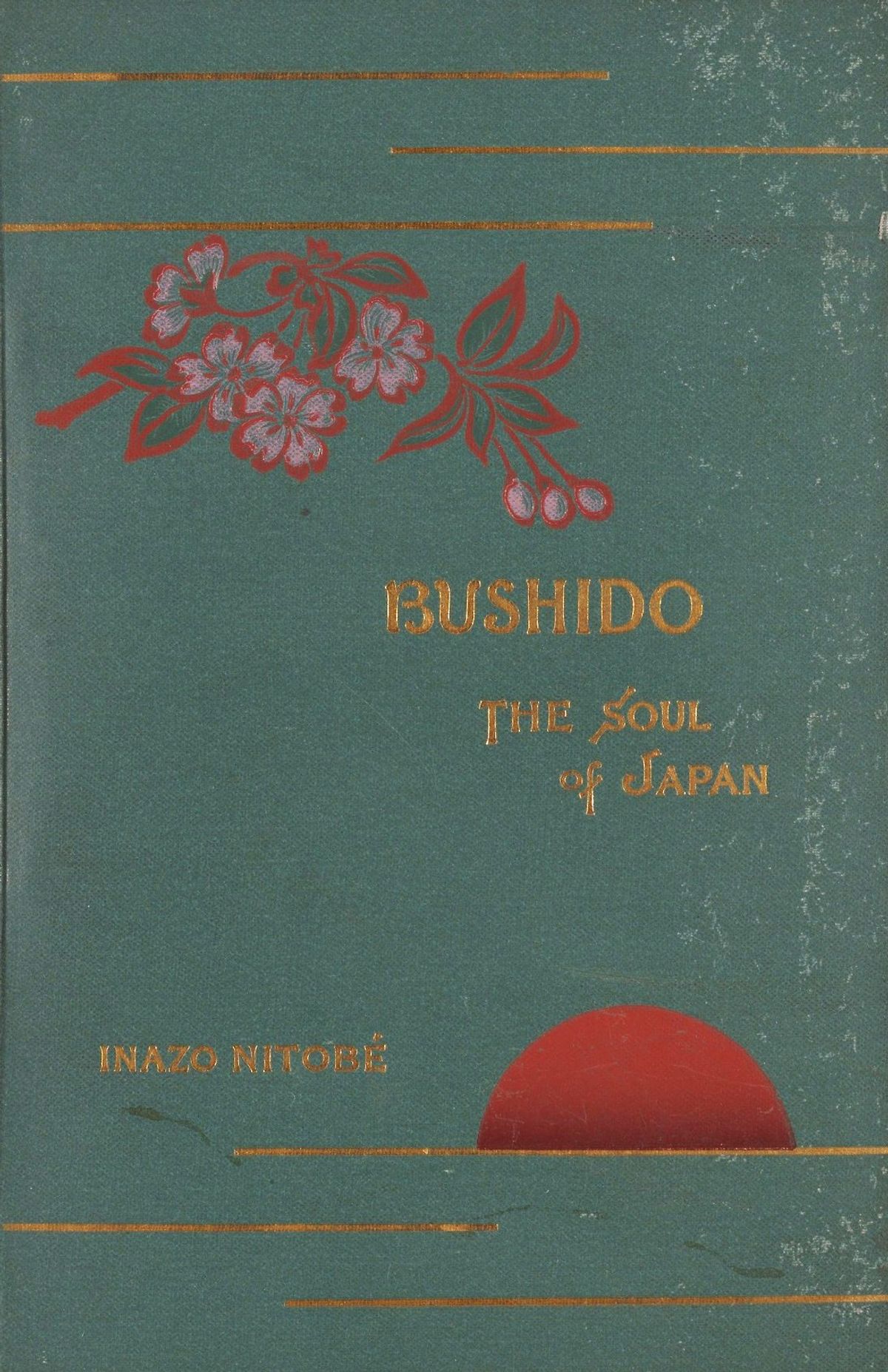
— Nitobe Inazō, Bushido: The Soul of Japan (1900)
Bushido, “the way of the warrior”, is the moral code associated with Japan’s samurai. It grew over centuries out of Confucian, Shinto and Zen Buddhist teaching and was partly formalised under the Tokugawa shogunate. The term became known around the world through Nitobe Inazō’s Bushido: The Soul of Japan, written in English and first published in 1900, whose chapters set out the virtues now commonly listed as the eight virtues of Bushido: rectitude, courage, benevolence, politeness, veracity, honour, loyalty and self-control.
The text here gives each virtue under Nitobe’s chapter title with a line from that chapter. The popular versions that circulate online, with modern commentary on each virtue, have no clear author. Historians note that Nitobe’s idealised, chivalric account does not represent all of bushido, and that a later, nationalist reading of the code stressed absolute loyalty to the emperor and self-sacrifice.